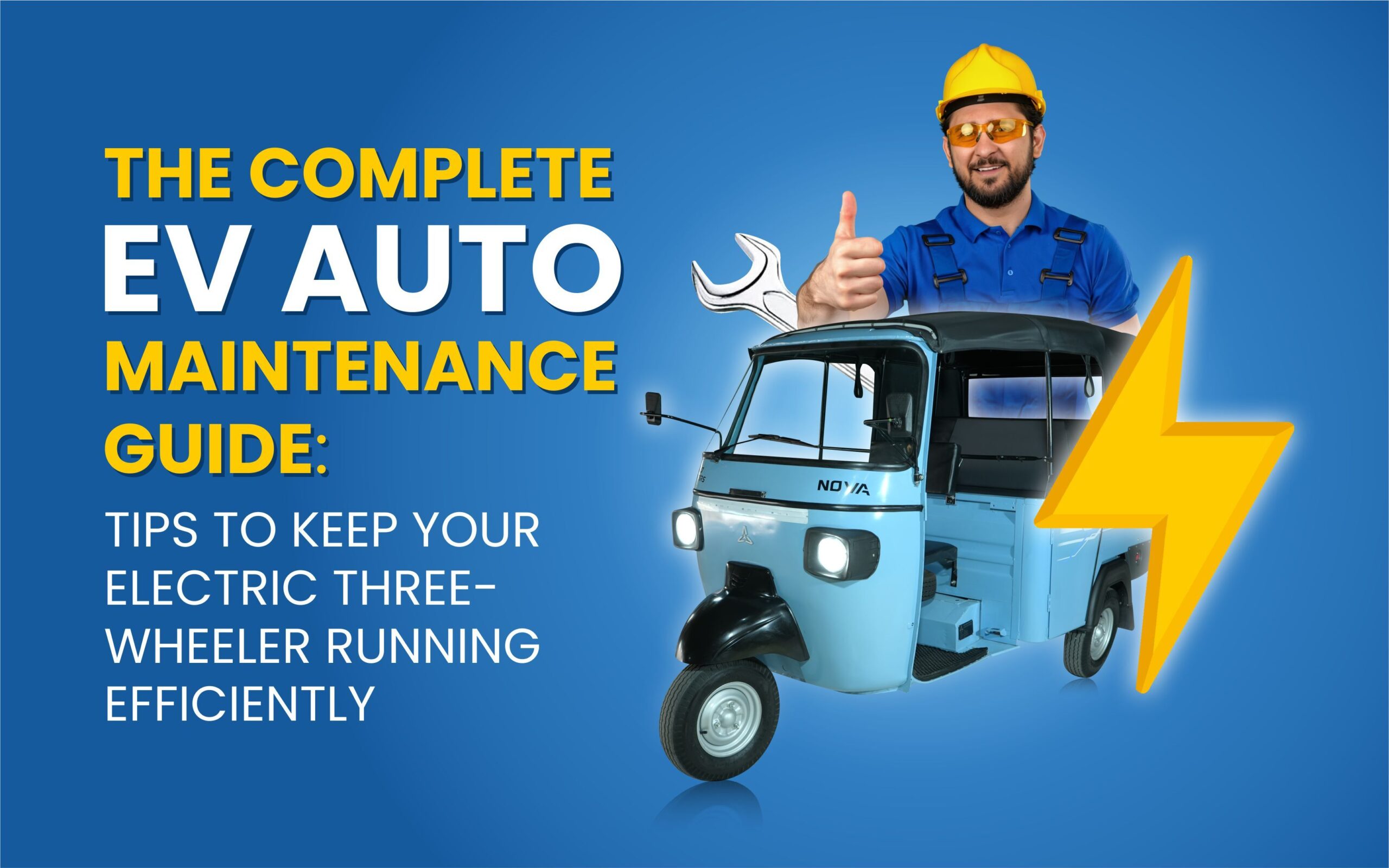
The Complete EV Auto Maintenance Guide: Tips to Keep Your Electric Three-Wheeler Running Efficiently
Electric three-wheelers are rapidly becoming the preferred choice for passenger transport and last-mile delivery across India. Their lower running costs, eco-friendly operation, and minimal maintenance requirements make them an excellent investment for drivers and fleet owners alike.
However, while electric autos require less maintenance than traditional petrol or diesel vehicles, regular care is still essential to ensure maximum efficiency, better battery life, and long-term reliability.
In this complete EV auto maintenance guide, we’ll explore practical tips that can help keep your electric three-wheeler running smoothly while reducing repair costs and maximizing performance.
Why Regular EV Maintenance Matters
Many people believe electric vehicles require no maintenance. While they certainly have fewer moving parts than internal combustion engine vehicles, components such as batteries, brakes, tyres, suspension, and electrical systems still require routine inspections.
Proper maintenance helps:
- Increase battery lifespan
- Improve vehicle efficiency
- Reduce unexpected breakdowns
- Lower repair costs
- Enhance passenger safety
- Maintain consistent driving performance
A well-maintained electric auto also retains better resale value and delivers a more comfortable driving experience.
Understand the Heart of Your EV: The Battery
The battery is the most valuable component of an electric three-wheeler. Taking good care of it can significantly extend its lifespan.
Battery Maintenance Tips
- Charge the battery using the recommended charger.
- Avoid letting the battery discharge completely.
- Do not overcharge unnecessarily.
- Charge in a dry, ventilated location.
- Protect the battery from excessive heat and water exposure.
- Follow the manufacturer’s charging schedule.
Modern lithium-ion batteries last longer when they are charged regularly rather than being completely drained before charging.
Follow Proper Charging Practices
Charging habits directly affect battery health.
Best Charging Practices
- Charge after daily operations instead of waiting for the battery to become empty.
- Avoid frequent fast charging unless necessary.
- Disconnect the charger once charging is complete.
- Keep charging connectors clean and dry.
- Use only certified charging equipment.
Consistent charging practices help maintain battery efficiency over the years.
Inspect Tyres Regularly
Tyres play an important role in both safety and energy efficiency.
Incorrect tyre pressure increases rolling resistance, forcing the motor to consume more electricity.
Check For:
- Proper tyre pressure
- Uneven tyre wear
- Cuts or punctures
- Tread depth
- Wheel alignment
Maintaining recommended tyre pressure can improve vehicle range and reduce battery consumption.
Keep the Braking System in Good Condition
Electric autos often use regenerative braking, which reduces wear on traditional brake components. However, brakes still require regular inspection.
Inspect:
- Brake pads
- Brake shoes
- Brake fluid (if applicable)
- Brake cables
- Brake response
Safe braking is essential, especially in crowded urban environments.
Monitor Suspension and Steering
Indian roads can be challenging, making suspension maintenance particularly important.
Signs your suspension may need attention include:
- Excessive vibrations
- Unusual noises
- Uneven tyre wear
- Poor handling
- Reduced ride comfort
Routine suspension inspections improve safety and passenger comfort.
Keep Electrical Components Clean
Unlike diesel vehicles, electric autos depend heavily on electrical systems.
Regularly inspect:
- Wiring
- Connectors
- Lights
- Dashboard indicators
- Switches
- Charging ports
Moisture, dust, and loose connections can lead to electrical faults if ignored.
Maintain the Motor
Electric motors require far less maintenance than diesel engines, but periodic inspections remain essential.
Service technicians should inspect:
- Motor performance
- Mounting bolts
- Cooling system (if applicable)
- Bearings
- Noise levels
Any unusual sounds should be checked immediately to avoid costly repairs.
Clean Your EV Regularly
Keeping your electric auto clean isn’t just about appearance.
Dust, mud, and road debris can affect electrical connectors and moving components.
Cleaning Tips
- Wash with clean water and mild detergent.
- Avoid spraying high-pressure water directly on electrical components.
- Clean battery compartments as recommended.
- Dry charging ports before charging.
- Remove dirt from the underbody after monsoon driving.
A clean vehicle also creates a positive impression for passengers and customers.
Check Battery Connections
Loose battery terminals may cause charging issues or reduced performance.
Inspect for:
- Corrosion
- Loose connections
- Damaged cables
- Water ingress
Always have battery-related repairs performed by trained professionals.
Update Vehicle Software
Modern electric vehicles increasingly rely on software to optimize performance.
If your electric three-wheeler supports software updates, ensure they are installed during scheduled servicing.
Software updates may improve:
- Battery management
- Motor efficiency
- Charging performance
- Diagnostic systems
- Overall vehicle reliability
Avoid Overloading Your EV
Every electric auto has a specified payload capacity.
Overloading can:
- Reduce battery range
- Increase tyre wear
- Damage suspension
- Put extra load on the motor
- Reduce braking efficiency
Always operate within the manufacturer’s recommended weight limits.
Drive Smoothly to Increase Efficiency
Driving style has a significant impact on battery performance.
Best Driving Habits
- Accelerate gradually.
- Avoid sudden braking.
- Maintain consistent speeds.
- Reduce unnecessary idling.
- Plan routes to avoid heavy traffic.
Smooth driving can noticeably improve daily operating range.
Schedule Preventive Maintenance
Don’t wait for a breakdown before visiting a service center.
Routine servicing helps identify minor issues before they become expensive repairs.
A preventive maintenance schedule typically includes:
Daily Checks
- Battery charge
- Tyres
- Lights
- Brakes
Weekly Checks
- Battery terminals
- Suspension
- Steering
- Charging cable
Monthly Checks
- Electrical systems
- Motor inspection
- Wheel alignment
- Complete vehicle inspection
Following a maintenance schedule keeps your vehicle operating efficiently year-round.
Monsoon Maintenance Tips
Rainy weather presents unique challenges for electric vehicles.
During monsoon:
- Avoid deep waterlogging.
- Dry charging ports before use.
- Inspect wiring after heavy rain.
- Clean mud from suspension and tyres.
- Park in covered areas whenever possible.
Regular inspections during the rainy season help prevent electrical issues.
Signs Your Electric Auto Needs Servicing
Seek professional servicing if you notice:
- Reduced driving range
- Longer charging times
- Warning lights on the dashboard
- Unusual motor noises
- Brake performance issues
- Steering problems
- Battery overheating
- Suspension noise
Early diagnosis can prevent expensive repairs.
Why Choose Astro Motors for Reliable Electric Mobility
Astro Motors is committed to delivering dependable electric three-wheelers designed for India’s evolving transportation needs. Built with advanced technology, durable components, and a focus on efficiency, Astro Motors’ EVs help drivers and businesses lower operating costs while enjoying a smooth and reliable driving experience.
With regular maintenance and timely servicing, an Astro Motors electric auto can provide years of dependable performance, making it an ideal choice for passenger transport and commercial operations.
Conclusion
Electric three-wheelers are transforming urban mobility by offering an affordable, sustainable, and efficient transportation solution. While they require significantly less maintenance than diesel or petrol vehicles, routine care remains essential for maximizing battery life, improving performance, and reducing long-term operating costs.
Simple practices such as proper charging, regular tyre inspections, brake maintenance, electrical system checks, and preventive servicing can significantly extend the life of your vehicle. By following a consistent maintenance schedule, drivers can enjoy improved reliability, fewer breakdowns, and better returns on their investment.
Whether you own a single electric auto or manage a commercial fleet, proactive maintenance is the key to keeping your EV running efficiently for years to come.
Frequently Asked Questions
1. How often should an electric three-wheeler be serviced?
Most electric three-wheelers should undergo a comprehensive service every 6–12 months or according to the manufacturer’s recommended schedule.
2. Does an electric auto require engine oil changes?
No. Electric autos do not use internal combustion engines, so engine oil changes are not required.
3. How can I increase my EV battery life?
Follow proper charging practices, avoid deep discharging, keep the battery clean, and schedule regular inspections.
4. Are electric three-wheelers cheaper to maintain than diesel autos?
Yes. Electric autos have fewer moving parts, lower servicing requirements, and no engine oil or fuel filter replacements, making maintenance more affordable.
5. Why is preventive maintenance important for electric autos?
Preventive maintenance helps detect small issues early, improves safety, enhances battery performance, reduces repair costs, and extends the overall lifespan of the vehicle.