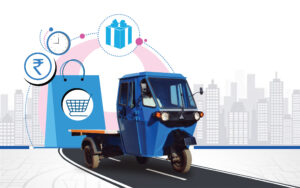
Things to Consider While Buying an Electric Auto Rickshaw in 2026
As EV adoption accelerates, knowing how to buy electric auto rickshaw models wisely in 2026 can significantly impact long-term earnings, safety, and operational efficiency.
Key Takeaways: What to Check Before You Buy an Electric Auto Rickshaw
- Battery capacity and real-world range matter more than brochure claims
- Payload capacity directly impacts daily earnings
- Build quality and chassis strength determine long-term durability
- Space and ergonomics improve passenger comfort and driver productivity
- After-sales support and service network reduce downtime risks
- Compliance with 2026 EV regulations is critical for future-proofing
Introduction
If you plan to buy an Electric Auto Rickshaw in 2026, focusing on performance, durability, range, and operating economics is essential for long-term success.
Why 2026 Is a Crucial Year for Buying Electric Auto Rickshaws
By 2026, India’s electric mobility ecosystem is expected to mature significantly. Stricter safety norms, improved battery technology, and rising customer expectations will redefine how electric auto rickshaws are evaluated.
For buyers, this means more options—but also higher risk of choosing the wrong model if fundamentals are ignored.
How Much Does an Electric Rickshaw Cost in India
Battery Technology: The Core of Any Electric Auto
When you buy an electric auto rickshaw, the battery should be your first evaluation point.
What to assess in 2026:
- Battery chemistry (Lithium-ion preferred over lead-acid)
- Capacity measured in kWh, not just voltage
- Thermal management and safety features
- Charging cycles and degradation rate
A higher-capacity battery allows consistent range even under full payload, reducing mid-day charging interruptions.
Top 5 Battery Technologies Used in Electric Auto Rickshaws Today
Real-World Range vs Claimed Range
Range anxiety remains a concern for electric auto operators. In 2026, buyers must differentiate between certified range and real-world performance.
| Usage Condition | Typical Range Impact |
| Full passenger load | –10% to –15% |
| Stop-and-go traffic | –8% to –12% |
| Poor road conditions | –5% to –10% |
| Aggressive driving | –10% or more |
A battery auto rickshaw with higher energy density provides better buffer against these losses.
Payload Capacity: Directly Linked to Earnings
Payload capacity defines how much weight an ev auto can safely carry without affecting performance or lifespan.
Underestimating payload needs leads to:
- Faster suspension wear
- Reduced braking efficiency
- Battery strain
- Higher maintenance costs
For commercial operators, higher payload flexibility enables mixed-use operations—passengers, luggage, or light cargo—without compromising safety.
Space & Ergonomics: A Key Differentiator in 2026
Passenger expectations are changing. Comfort, legroom, and ease of entry now influence ride preference.
A spacious electric auto rickshaw offers:
- Better passenger comfort
- Higher repeat usage
- Reduced driver fatigue
- Improved airflow and ventilation
Modern designs increasingly prioritize space-efficient layouts over compact but cramped builds.
Why Does Space Matters the Most in an Electric Auto Rickshaw?
Chassis Strength & Build Quality
Many first-time buyers overlook chassis engineering while focusing on price.
In 2026, pay close attention to:
- Frame material and welding quality
- Corrosion resistance
- Load-bearing design
- Suspension geometry
A robust chassis ensures consistent performance over years of daily commercial use, especially on uneven urban roads.
Motor Performance & Top Speed Balance
While higher speed sounds attractive, balance matters more.
An ideal electric auto should deliver:
- Adequate torque for gradients and loads
- Stable cruising speed
- Smooth acceleration without jerks
Excessive top speed without proper braking and stability can increase safety risks and maintenance costs.
Charging Compatibility & Infrastructure Readiness
Before you buy an electric auto rickshaw, ensure compatibility with available charging infrastructure.
Key checks:
- AC charging compatibility
- Charging time under standard conditions
- Availability of home and depot charging options
- Electrical safety certifications
Inconsistent charging access can directly reduce daily trip counts and income.
Compliance with 2026 EV Regulations
Regulatory scrutiny is expected to increase by 2026.
Ensure the electric auto rickshaw complies with:
- Updated safety standards
- Battery certification norms
- Fire safety guidelines
- Registration and insurance eligibility
Non-compliant vehicles may face resale restrictions or operational bans in the future.
Maintenance Costs & After-Sales Support
The total cost of ownership extends beyond purchase price.
Evaluate:
- Service network reach
- Spare parts availability
- Warranty coverage on battery and motor
- Ease of diagnostics and repair
Reliable after-sales support reduces downtime—one of the biggest hidden costs for commercial EV operators.
Total Cost of Ownership (TCO): Look Beyond the Sticker Price
A cheaper upfront cost does not always mean lower expenses.
| Cost Component | Why It Matters |
| Battery lifespan | Replacement cost is significant |
| Energy efficiency | Affects daily running cost |
| Maintenance frequency | Impacts uptime |
| Resale value | Determines long-term ROI |
A well-built battery auto rickshaw often delivers better returns despite slightly higher initial pricing.
Understanding the Total Cost of Ownership (TCO) for Electric Auto Rickshaws in India
Contextual Example: What a Next-Generation Electric Rickshaw Looks Like
Newer models entering the market reflect these evolving buyer expectations.
For instance, the Astro Nova Electric Rickshaw represents a design approach focused on:
- Spacious cabin architecture
- Higher payload tolerance
- Balanced speed and stability
- Larger battery capacity for extended range
Reference specifications (for context):
| Feature | Specification |
| Payload Capacity | 435 kg |
| Top Speed | 55 kmph |
| Battery Capacity | 10.24 kWh |
| Certified Range | Up to 220 kms* |
These specifications align with what 2026 buyers should generally look for—without compromising reliability or efficiency.
A Detailed Guide to Astro Nova EV Auto Rickshaw
Financing, Subsidies & Insurance Considerations
In 2026, EV financing options are expected to expand further.
Before purchase, check:
- EV loan interest rates
- Government subsidy eligibility
- Battery insurance coverage
- Comprehensive vehicle insurance options
Clear documentation simplifies resale and refinancing later.
FAQs: Buying an Electric Auto Rickshaw in 2026
What should I check before buying an electric auto rickshaw in 2026?
Focus on battery capacity, real-world range, payload rating, build quality, service support, and regulatory compliance.
Is lithium-ion battery mandatory in 2026?
While not mandatory, lithium-ion batteries are strongly recommended due to better safety, longer lifespan, and efficiency.
How much range is sufficient for daily operations?
For urban use, a real-world range of 150–200 km is generally adequate for full-day operations.
Does higher payload affect battery life?
Yes. Vehicles designed for higher payloads handle load stress better, reducing battery and motor strain.
Are spacious electric autos better for business?
Yes. Better space improves passenger comfort, driver productivity, and revenue consistency.
Conclusion
If you plan to buy an electric auto rickshaw in 2026, prioritize long-term value over short-term cost savings. Battery quality, payload capacity, space, safety compliance, and after-sales support will define operational success. Choosing a well-engineered, future-ready electric auto ensures sustainable earnings in India’s rapidly evolving EV ecosystem.