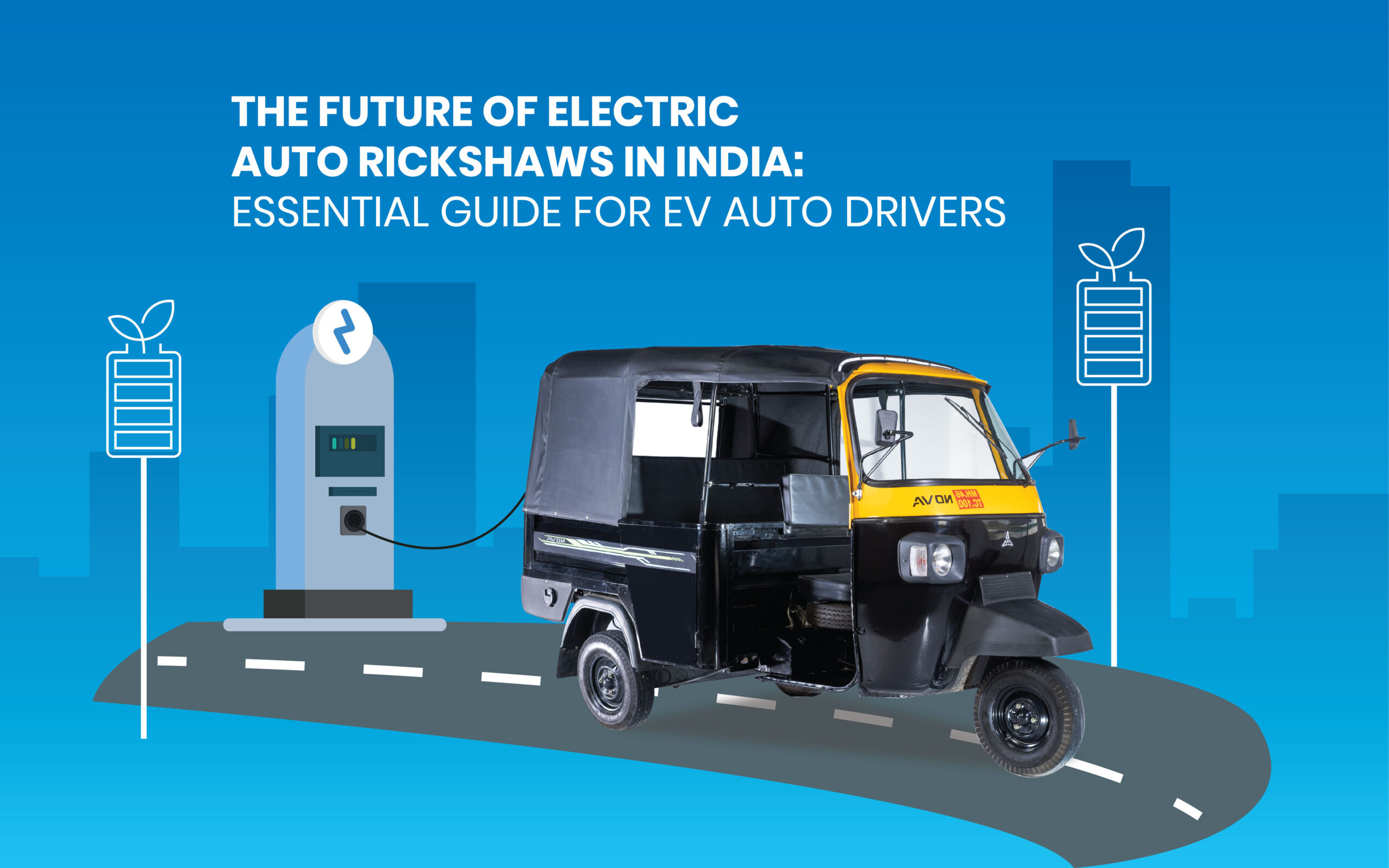
The Future of Electric Auto Rickshaws in India: Essential Guide for EV Auto Drivers
Curious about the future of electric auto rickshaws in India? Here’s a practical, data-backed guide for EV auto drivers planning long-term growth.
Key Takeaways
- The future of electric auto rickshaws in India is driven by policy support, fuel savings, and rising urban demand.
- EV auto adoption is increasing due to lower operating costs and zero tailpipe emissions.
- Lithium-ion technology and higher-capacity batteries are redefining range and durability.
- Government incentives and charging expansion will accelerate growth.
- Drivers choosing high-performance electric auto models will gain long-term ROI advantages.
Future of Electric Auto Rickshaws in India: Market Outlook
India is witnessing rapid electrification of last-mile mobility. The future of electric auto rickshaws is closely tied to:
- Rising diesel & CNG costs
- Government EV adoption targets
- Urban pollution regulations
- Expanding charging infrastructure
Electric auto rickshaw adoption is growing steadily across Tier 1, Tier 2, and Tier 3 cities, particularly in commercial transport and shared mobility.
According to industry estimates, India’s electric three-wheeler segment contributes the largest share of EV sales in the country.
Why the Future of EV Auto Rickshaws Looks Promising
1. Lower Operating Cost
Electric auto rickshaw drivers save significantly on daily fuel expenses. Electricity cost per km is substantially lower than diesel or CNG.
2. Minimal Maintenance
Electric auto vehicles have fewer moving parts. No engine oil changes, no clutch plate wear, and reduced breakdown frequency improve profitability.
3. Government Push
Policies such as FAME incentives and state EV subsidies are accelerating the transition toward electric rickshaw adoption.
4. Urban Demand for Clean Mobility
Cities are tightening emission norms. Battery auto rickshaw models provide a zero tailpipe emission alternative for congested urban areas.
Future of Electric Auto: Technology Advancements
The future of electric auto is not just about electrification — it’s about smarter engineering.
Key Innovations Driving Growth
| Technology | Impact on Drivers |
| Lithium-ion Batteries | Longer lifespan, higher range |
| Smart BMS | Improved safety & efficiency |
| High-Capacity Packs | Reduced charging frequency |
| Regenerative Systems | Improved energy recovery |
| Connected Diagnostics | Predictive maintenance |
Modern electric rickshaw models now offer battery capacities exceeding 10 kWh, improving daily coverage and reducing range anxiety.
For example, the Astro Nova Electric Rickshaw (E Rickshaw) comes with a 10.24 kWh battery and delivers a range of 220 km*, allowing drivers to operate longer routes without mid-day charging interruptions.
Future Demand Drivers for Electric Auto Rickshaw Segment
1. Growth in E-Commerce & Last-Mile Delivery
Electric auto rickshaw vehicles are increasingly used for delivery services due to lower running costs.
2. Rural & Semi-Urban Adoption
Battery auto rickshaw penetration is expanding in non-metro regions where affordable transport solutions are in demand.
3. Ride-Sharing Integration
Electric auto platforms are integrating with mobility apps, improving driver income stability.
4. Rising Fuel Prices
Fuel price volatility strengthens the economic case for electric auto adoption.
Comparing Diesel vs Electric: Long-Term Outlook
| Parameter | Diesel Auto | Electric Auto Rickshaw |
| Fuel Cost Trend | Increasing | Stable electricity cost |
| Maintenance | High | Low |
| Emissions | High | Zero tailpipe |
| Noise | Loud | Quiet |
| 5-Year ROI | Moderate | Higher potential savings |
The financial predictability of electric rickshaw ownership supports the future of EV auto rickshaws in India.
Explore our detailed comparison guides:
Electric Auto Rickshaw vs Diesel Auto
Electric Auto Rickshaw vs Petrol Auto
Infrastructure & Charging Expansion
Charging accessibility is improving rapidly across cities.
- Home-based overnight charging remains common.
- Public EV charging stations are increasing.
- Battery swapping models are being piloted in some states.
With higher-capacity batteries like 10.24 kWh systems, drivers can often complete full-day operations with single-charge efficiency.
What EV Auto Drivers Should Consider for the Future
Choose Higher Payload Capacity
A stronger chassis and higher payload rating reduce strain during peak passenger load.
Astro Nova Electric Rickshaw supports a 435 kg payload, making it suitable for commercial city operations.
Focus on Range & Speed Balance
Vehicles offering higher top speeds (like 55 kmph) help drivers cover wider service areas efficiently without sacrificing battery optimization.
Prioritize Battery Quality
Lithium-ion technology significantly improves the future reliability of electric auto battery systems.
Evaluate Total Cost of Ownership (TCO)
Drivers should compare 5-year cost projections rather than upfront purchase price alone.
Timeline: Future Growth of Electric Auto Rickshaws in India
| Phase | Expected Development |
| 2024–2026 | Increased lithium-ion adoption |
| 2026–2028 | Stronger charging network expansion |
| 2028–2030 | Higher penetration in semi-urban regions |
| 2030+ | Dominant share in last-mile mobility |
Industry trends suggest electric auto rickshaws will remain the backbone of India’s three-wheeler EV ecosystem.
Challenges to Watch
While the future of electric auto is strong, drivers should remain aware of:
- Battery replacement planning
- Charging infrastructure gaps in remote areas
- Unorganized low-quality manufacturers
Choosing professionally engineered electric auto rickshaw models ensures durability, warranty protection, and better resale value.
Internal Reads You May Explore
- Electric Auto Rickshaw Battery Life: Separating Fact from Fiction
- Total Cost of Ownership of an Electric Auto Rickshaw
- Lithium-Ion vs Lead-Acid in Electric Rickshaw
Frequently Asked Questions (FAQ)
1. What is the future of electric auto rickshaws in India?
The segment is expected to grow rapidly due to lower operating costs, policy support, and rising urban demand for sustainable transport.
2. Are EV auto rickshaws profitable for drivers?
Yes. Lower electricity costs and reduced maintenance improve long-term profitability compared to diesel autos.
3. How long will electric autos dominate the three-wheeler market?
Industry projections suggest strong dominance beyond 2030, especially in last-mile mobility.
4. Is charging infrastructure sufficient in India?
It is expanding steadily, and most electric auto drivers rely on overnight home charging.
5. What should drivers prioritize when buying an electric auto rickshaw?
Battery capacity, payload rating, range, build quality, and after-sales support.
Conclusion
The future of electric auto rickshaws in India is practical, profitable, and policy-backed.
With advancements in lithium-ion batteries, better range capabilities, and rising demand for sustainable transport, electric auto adoption is set to accelerate.
Drivers who invest in high-performance, future-ready electric auto rickshaw models today position themselves for long-term income stability and operational efficiency in India’s evolving mobility ecosystem.