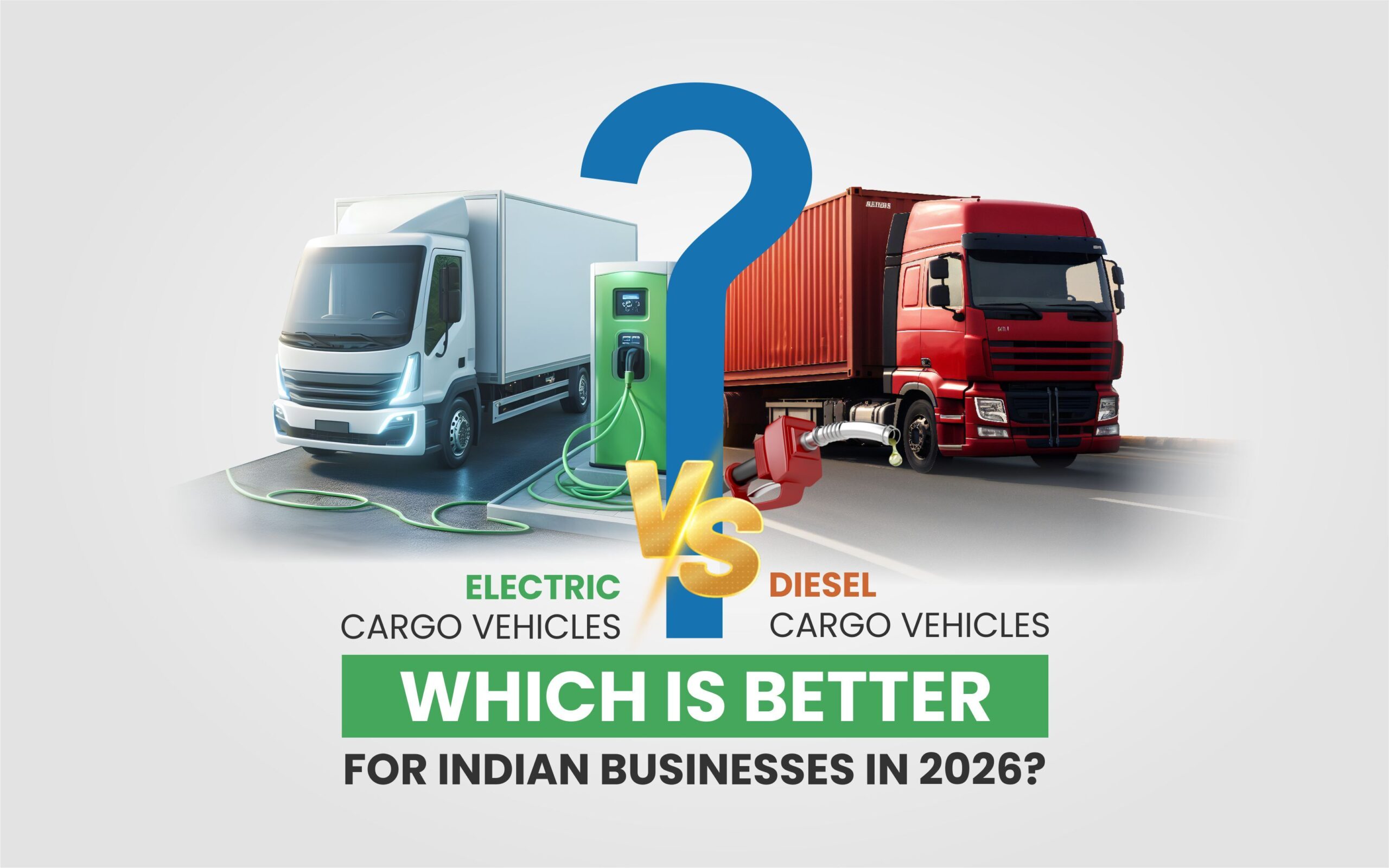
Electric Cargo Vehicles vs Diesel Cargo Vehicles: Which Is Better for Indian Businesses in 2026?
India’s commercial transportation industry is undergoing a major transformation. Rising fuel prices, stricter emission regulations, and growing awareness about sustainability are encouraging businesses to rethink their fleet choices. From e-commerce companies and logistics providers to local retailers and distributors, many businesses are now switching from diesel-powered cargo vehicles to electric cargo vehicles.
But is making the switch really worth it?
The answer depends on factors such as operating costs, maintenance requirements, payload capacity, and long-term profitability. In this guide, we’ll compare electric cargo vehicles and diesel cargo vehicles to help Indian businesses choose the right option in 2026.
Why Businesses Are Choosing Electric Cargo Vehicles
Electric cargo vehicles have become increasingly popular over the past few years. Government incentives, expanding charging infrastructure, and advances in battery technology have made electric commercial vehicles more practical than ever before.
Unlike diesel vehicles, electric cargo vehicles run on rechargeable batteries, producing zero tailpipe emissions while offering significantly lower running costs.
For businesses involved in daily deliveries within cities, electric cargo vehicles provide an efficient and economical transportation solution.
Initial Purchase Cost
One of the first things businesses consider is the purchase price.
Diesel Cargo Vehicles
Diesel vehicles generally have a lower upfront cost. This makes them attractive for businesses with limited budgets or those replacing vehicles quickly.
However, the lower purchase price doesn’t always translate into lower ownership costs over time.
Electric Cargo Vehicles
Electric cargo vehicles often cost more initially because of battery technology. However, government subsidies, state EV policies, and financing options have made them much more affordable in India.
Although the initial investment may be higher, businesses usually recover this cost through reduced operating expenses.
Running Cost Comparison
Running costs are where electric cargo vehicles truly stand out.
Diesel Vehicles
Operating expenses include:
- Daily fuel costs
- Engine oil replacement
- Filter replacement
- Clutch maintenance
- Engine servicing
- Higher wear and tear
As diesel prices continue to fluctuate, transportation expenses become difficult to predict.
Electric Cargo Vehicles
Electric vehicles require electricity instead of diesel.
Benefits include:
- Lower charging costs
- Stable electricity pricing
- Fewer moving parts
- Reduced servicing expenses
- Lower maintenance requirements
Businesses operating vehicles every day can save thousands of rupees every month by switching to electric.
Maintenance Requirements
Maintenance plays a major role in fleet profitability.
Diesel Cargo Vehicles Require:
- Regular engine oil changes
- Fuel filter replacement
- Air filter cleaning
- Engine repairs
- Exhaust maintenance
- Clutch repairs
- Cooling system servicing
These components increase maintenance costs over the vehicle’s lifespan.
Electric Cargo Vehicles Require:
Electric vehicles have much simpler mechanical systems.
Routine maintenance usually includes:
- Battery inspection
- Brake checks
- Tyre maintenance
- Suspension inspection
- Electrical system diagnostics
Since there is no engine, gearbox (in many models), or exhaust system, maintenance costs are significantly lower.
Fuel vs Charging Cost
Fuel expenses account for a large percentage of commercial vehicle operating costs.
For businesses covering 80–150 km daily, diesel expenses quickly add up.
Electric cargo vehicles can be charged overnight at comparatively lower electricity rates, making them much more economical for daily operations.
Many businesses report noticeable reductions in transportation expenses after switching to electric fleets.
Environmental Impact
Environmental regulations are becoming stricter across India.
Diesel Vehicles
Diesel engines emit:
- Carbon dioxide
- Nitrogen oxides
- Particulate matter
These emissions contribute to air pollution and climate change.
Electric Cargo Vehicles
Electric cargo vehicles produce zero tailpipe emissions.
Benefits include:
- Cleaner cities
- Reduced carbon footprint
- Better compliance with future regulations
- Improved corporate sustainability goals
For companies looking to strengthen their environmental credentials, electric vehicles offer a clear advantage.
Performance in City Operations
Most commercial deliveries happen within city limits.
Electric cargo vehicles are particularly well-suited for:
- Last-mile delivery
- Grocery transportation
- Courier services
- Milk distribution
- E-commerce logistics
- FMCG deliveries
Electric motors provide instant torque, making stop-and-go city driving smooth and efficient.
Diesel vehicles perform well on long highway routes but are less efficient in congested urban traffic due to frequent idling and fuel consumption.
Payload Capacity
Modern electric cargo vehicles are designed to handle commercial loads effectively.
Depending on the model, they can comfortably transport goods such as:
- Grocery items
- FMCG products
- Industrial supplies
- Food deliveries
- Agricultural products
- Parcel shipments
Diesel vehicles may still offer an advantage for extremely heavy-duty, long-distance transportation, but electric cargo vehicles are more than capable of meeting the needs of most urban businesses.
Noise and Driver Comfort
Electric cargo vehicles operate quietly because they lack internal combustion engines.
Advantages include:
- Reduced driver fatigue
- Less vibration
- Comfortable driving experience
- Minimal engine noise
Diesel vehicles generate more noise and vibration, especially during prolonged daily operations.
Government Support for EV Adoption
The Indian government continues to encourage electric mobility through various initiatives.
Businesses purchasing electric cargo vehicles may benefit from:
- State EV incentives
- Registration fee exemptions in certain states
- Lower road tax
- Business-friendly EV financing
- Support for charging infrastructure
These benefits make electric commercial vehicles increasingly attractive for fleet owners.
Total Cost of Ownership
When comparing vehicles over five to seven years, the total cost of ownership becomes more important than the purchase price.
Electric cargo vehicles typically deliver savings through:
- Lower energy costs
- Reduced servicing expenses
- Fewer replacement parts
- Minimal engine-related repairs
- Lower downtime
For businesses operating multiple vehicles, these savings can significantly improve profitability.
Which Businesses Benefit the Most?
Electric cargo vehicles are ideal for:
- E-commerce companies
- Courier services
- Retail distributors
- Food delivery businesses
- Wholesale suppliers
- Dairy businesses
- Municipal services
- Pharmacy deliveries
- Local logistics companies
Businesses operating predictable daily routes can maximize the advantages of electric vehicles.
Why Astro Motors Supports India’s Electric Future
As India’s commercial transportation sector evolves, businesses need reliable, efficient, and sustainable mobility solutions.
Astro Motors is committed to supporting this transition by offering electric cargo vehicles designed for Indian roads and business requirements. With a focus on performance, efficiency, and low operating costs, Astro Motors helps businesses improve productivity while reducing transportation expenses and environmental impact.
Whether you’re expanding your logistics fleet or replacing ageing diesel vehicles, choosing an electric cargo vehicle is an investment in long-term business growth.
Conclusion
The comparison between electric cargo vehicles and diesel cargo vehicles clearly shows that while diesel vehicles may have a lower initial purchase price, electric cargo vehicles deliver greater value over time.
Lower operating costs, reduced maintenance, quieter performance, government support, and zero tailpipe emissions make electric cargo vehicles the preferred choice for Indian businesses in 2026.
As urban logistics continues to expand and sustainability becomes a business priority, investing in electric cargo vehicles is not just an environmentally responsible decision—it’s a smart financial one. Businesses that adopt electric mobility today are better positioned to reduce costs, improve efficiency, and stay competitive in the years ahead.
Frequently Asked Questions (FAQs)
1. Are electric cargo vehicles cheaper to operate than diesel vehicles?
Yes. Electric cargo vehicles have significantly lower charging and maintenance costs, making them more economical for daily commercial use.
2. How much maintenance does an electric cargo vehicle require?
Electric cargo vehicles require less maintenance because they have fewer moving parts and do not need engine oil changes or exhaust system servicing.
3. Are electric cargo vehicles suitable for last-mile delivery?
Absolutely. They are ideal for urban logistics, courier services, grocery delivery, and other short-distance commercial operations.
4. Can electric cargo vehicles carry heavy loads?
Yes. Modern electric cargo vehicles are designed to carry substantial commercial payloads suitable for most business applications.
5. Why should businesses choose Astro Motors electric cargo vehicles?
Astro Motors offers reliable, efficient, and cost-effective electric cargo vehicles designed to help Indian businesses reduce operating costs while supporting sustainable transportation.