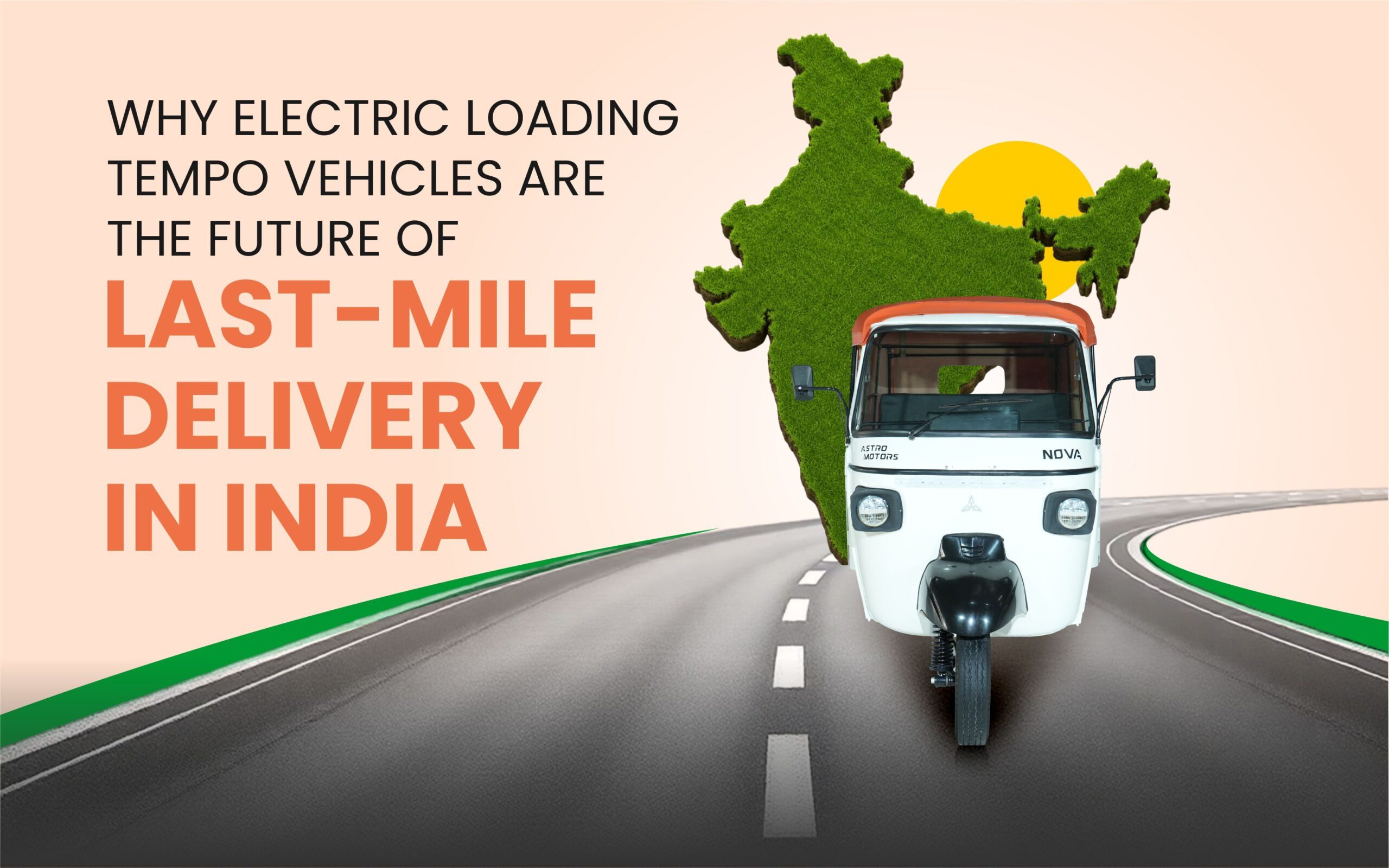
Why Electric Loading Tempo Vehicles Are the Future of Last-Mile Delivery in India
The rapid growth of e-commerce, food delivery, retail distribution, and local logistics has transformed the transportation landscape in India. Businesses today require faster, more efficient, and cost-effective delivery solutions to meet rising customer expectations. As fuel prices continue to fluctuate and environmental concerns become more pressing, companies are actively seeking alternatives to traditional diesel and petrol-powered vehicles.
This is where the electric loading tempo emerges as a game-changing solution. Designed specifically for cargo transportation and last-mile delivery, electric loading tempos are helping businesses reduce operating costs, improve efficiency, and support sustainable logistics operations.
As India moves toward cleaner mobility, the commercial electric vehicle segment is expected to play a crucial role in shaping the future of transportation.
Understanding Last-Mile Delivery Challenges in India
Last-mile delivery refers to the final stage of the supply chain where goods are transported from a distribution hub to the end customer.
This segment often accounts for a significant portion of logistics expenses due to:
- High fuel costs
- Traffic congestion
- Frequent stop-and-go operations
- Vehicle maintenance expenses
- Rising delivery demands
Businesses need delivery vehicles that can operate efficiently within cities while maintaining low running costs. Electric loading tempos address these challenges effectively.
Growing Demand for Electric Commercial Vehicles
India’s electric vehicle market is witnessing remarkable growth. According to industry estimates, electric three-wheelers have become one of the fastest-growing EV categories in the country.
Key growth drivers include:
- Rising fuel prices
- Government EV incentives
- Lower maintenance costs
- Increasing environmental awareness
- Growth in e-commerce and quick-commerce sectors
Industry reports indicate that the commercial EV segment is expected to witness substantial growth over the next decade as businesses seek cost-effective transportation solutions.
Lower Operating Costs Make Electric Loading Tempos Attractive
One of the biggest advantages of an electric loading tempo is the significant reduction in operating expenses.
Fuel Savings
Traditional cargo vehicles rely on petrol, diesel, or CNG, all of which are subject to fluctuating prices. Electric vehicles operate on battery power, resulting in substantially lower energy costs per kilometer.
Businesses can save thousands of rupees every month by switching to electric cargo transportation.
Reduced Maintenance Costs
Electric vehicles have fewer moving parts compared to internal combustion engine vehicles.
This means:
- No engine oil changes
- No clutch replacements
- Fewer mechanical breakdowns
- Lower servicing requirements
These factors contribute to reduced maintenance expenses and improved vehicle uptime.
Supporting Sustainable Logistics
Sustainability is becoming a priority for businesses across industries. Consumers increasingly prefer brands that demonstrate environmental responsibility.
Electric loading tempos help organizations reduce their carbon footprint by producing zero tailpipe emissions.
Environmental benefits include:
- Reduced air pollution
- Lower greenhouse gas emissions
- Quieter operation
- Improved urban air quality
For businesses focused on ESG goals and sustainable growth, investing in a commercial electric vehicle aligns perfectly with long-term environmental objectives.
Ideal for Urban Delivery Operations
Indian cities face significant traffic congestion, making efficient delivery operations challenging.
Electric loading tempos are well-suited for urban logistics because they offer:
Compact Design
Their compact size allows drivers to navigate narrow streets and crowded marketplaces easily.
Quick Acceleration
Electric motors provide instant torque, making stop-and-go city driving more efficient.
Convenient Charging
With charging infrastructure expanding across India, businesses can recharge vehicles overnight and keep them ready for daily operations.
Perfect for Multiple Industries
Electric loading tempos are versatile and can serve various industries, including:
E-commerce Deliveries
Online retailers require reliable transportation solutions for timely order fulfillment.
Grocery and FMCG Distribution
Fast-moving consumer goods require frequent deliveries within urban areas.
Courier and Logistics Services
Courier companies can significantly reduce transportation costs with electric fleets.
Wholesale and Retail Supply
Businesses can transport inventory between warehouses, distributors, and retail outlets efficiently.
Agricultural Produce Transportation
Farmers and distributors can use electric cargo vehicles for local transportation needs.
Government Support Accelerating EV Adoption
The Indian government has introduced multiple initiatives to encourage EV adoption.
These include:
- EV subsidies and incentives
- Charging infrastructure development
- State-level EV policies
- Tax benefits for electric vehicle buyers
Such initiatives are making commercial electric vehicles increasingly accessible to businesses of all sizes.
Why Businesses Are Switching to Electric Loading Tempos
Forward-thinking businesses recognize that transportation costs directly impact profitability.
By adopting electric loading tempos, organizations can benefit from:
- Lower operational expenses
- Reduced maintenance costs
- Sustainable business practices
- Improved fleet efficiency
- Better compliance with future emission regulations
Companies that make the transition today can gain a competitive advantage while preparing for the future of mobility.
The Road Ahead for Electric Cargo Transportation
India’s logistics sector is evolving rapidly. As urbanization increases and delivery volumes continue to grow, the need for efficient and sustainable transportation solutions will become even more critical.
Electric loading tempos represent the next generation of cargo mobility. Their ability to combine affordability, efficiency, and environmental sustainability makes them an ideal choice for modern businesses.
Manufacturers like Astro Motors are helping drive this transformation by providing reliable commercial electric vehicle solutions designed specifically for Indian transportation needs.
Conclusion
The future of last-mile delivery in India is electric. Rising fuel prices, growing environmental concerns, and increasing demand for efficient logistics solutions are accelerating the adoption of electric loading tempo vehicles across the country.
Businesses looking to reduce costs, improve operational efficiency, and contribute to a cleaner environment should consider investing in commercial electric vehicles. As technology continues to improve and charging infrastructure expands, electric cargo transportation will become an essential component of India’s logistics ecosystem.
FAQs
1. What is an electric loading tempo?
An electric loading tempo is a battery-powered cargo vehicle designed for transporting goods efficiently while reducing fuel and maintenance costs.
2. How much can businesses save with an electric loading tempo?
Savings vary based on usage, but businesses can significantly reduce fuel and maintenance expenses compared to conventional cargo vehicles.
3. Are electric loading tempos suitable for last-mile delivery?
Yes. Their compact design, low running costs, and ease of operation make them ideal for urban last-mile delivery applications.
4. What industries can use commercial electric vehicles?
E-commerce, logistics, retail, FMCG, courier services, agriculture, and wholesale distribution businesses can all benefit from commercial electric vehicles.
5. Why are electric loading tempos considered environmentally friendly?
They produce zero tailpipe emissions, reduce air pollution, and support sustainable transportation initiatives.